Latest
-
Three Layers: Dead End
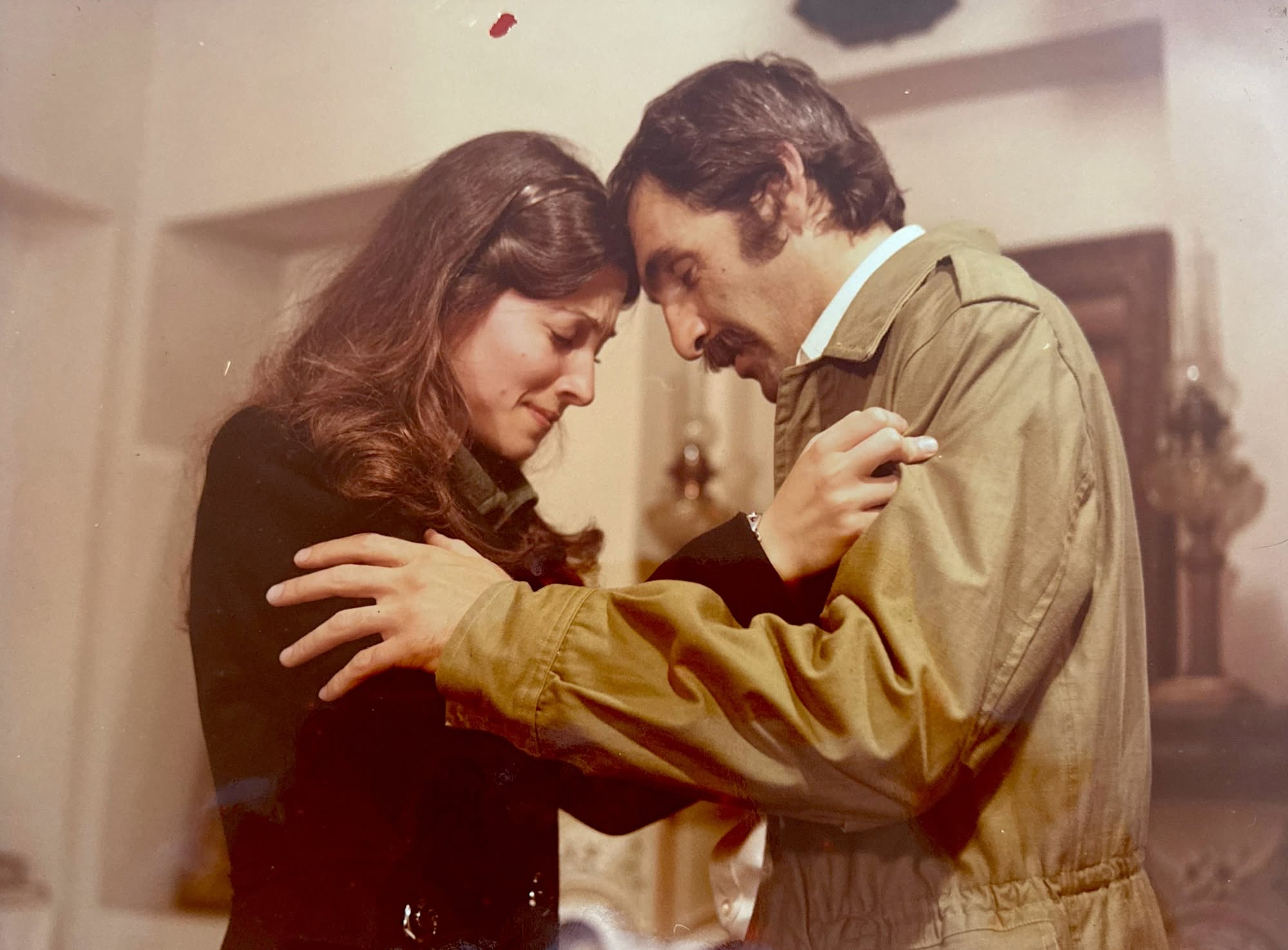
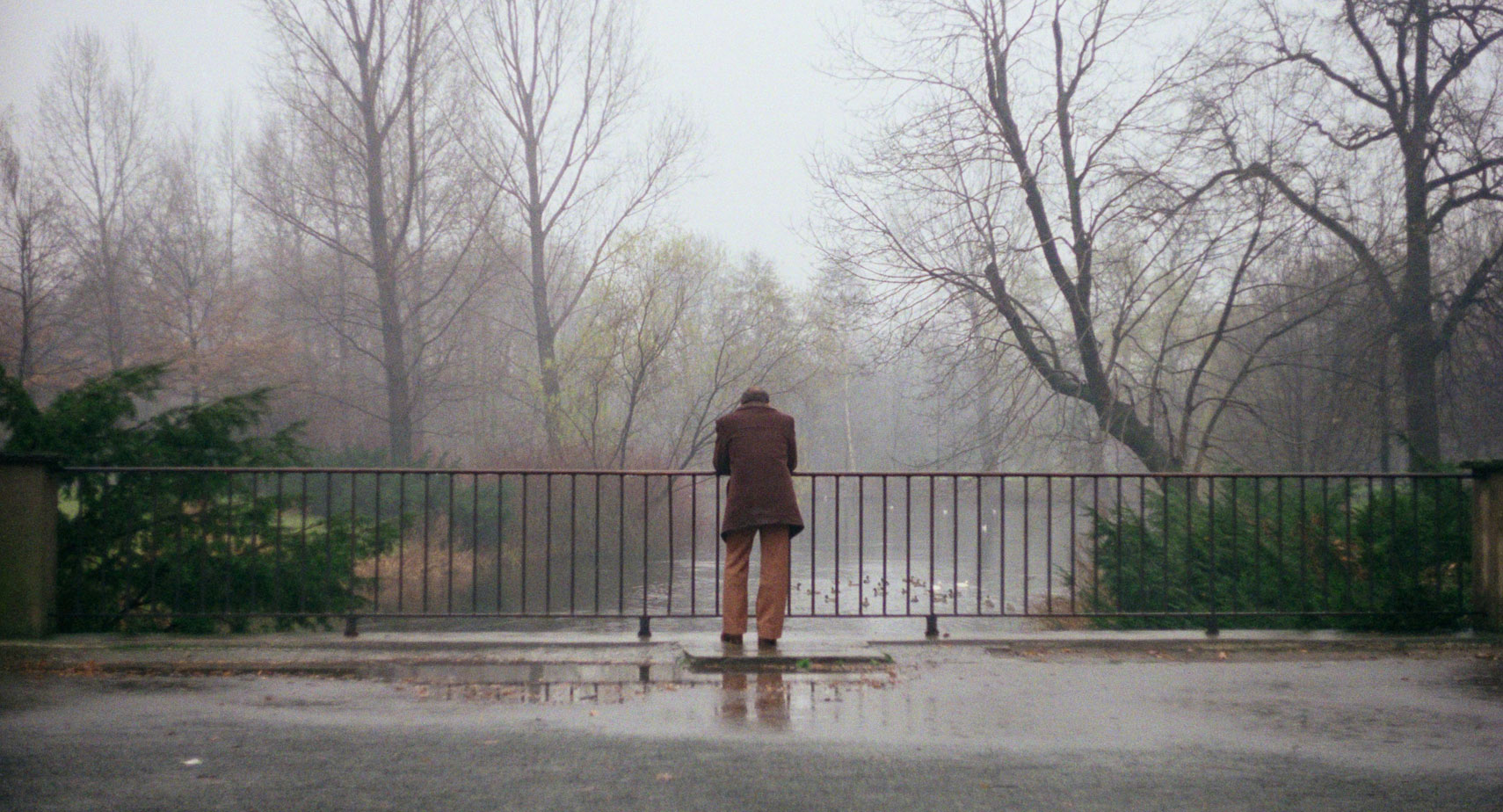
Parviz Sayyad’s Dead End (Bonbast, 1977) is one of the films of Iran’s pre-revolutionary New Wave that deserves particular attention. Within a deceptively simple style, Sayyad manages to offer a remarkably complex portrait of his time. The film works simultaneously as a portrait of a Tehran undergoing modernization, a romantic poem, and a political critique. Yet Dead End never feels…
REVIEWS

Features
-

Echoes: The House Is Black
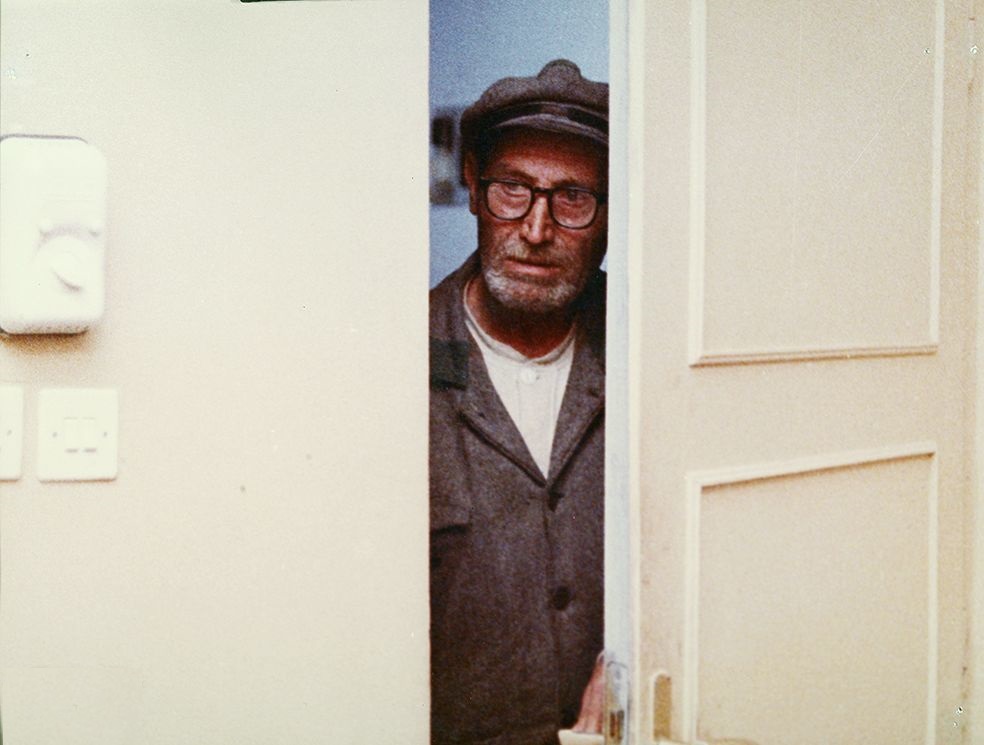
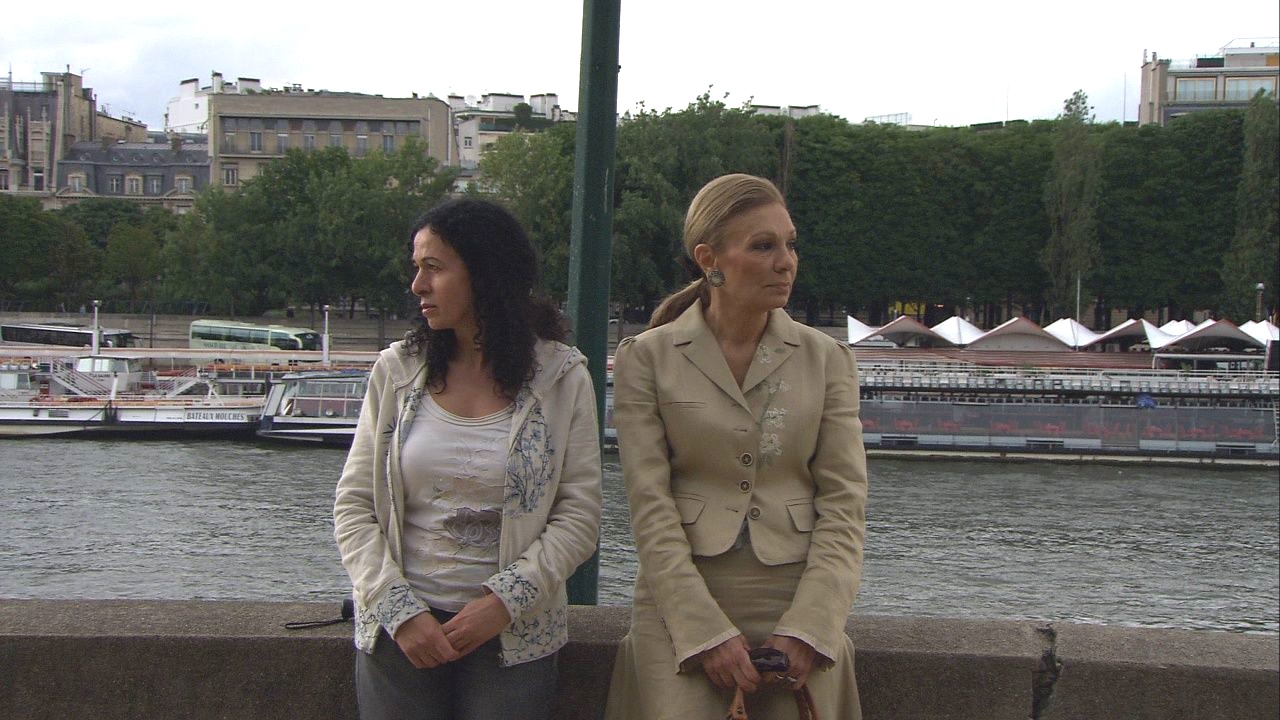
Shamim Bahar’s 1963 review, published in the journal Andisheh va Honar (Thought and Art), offers a sharply critical contemporary assessment of The House Is Black (Khaneh Siah Ast, 1963), the landmark documentary by filmmaker and poet Forugh Farrokhzad. From today’s perspective, Bahar’s verdict is surprising. The film is now widely regarded as one of the defining works of Iranian modernist…

Recommended
-
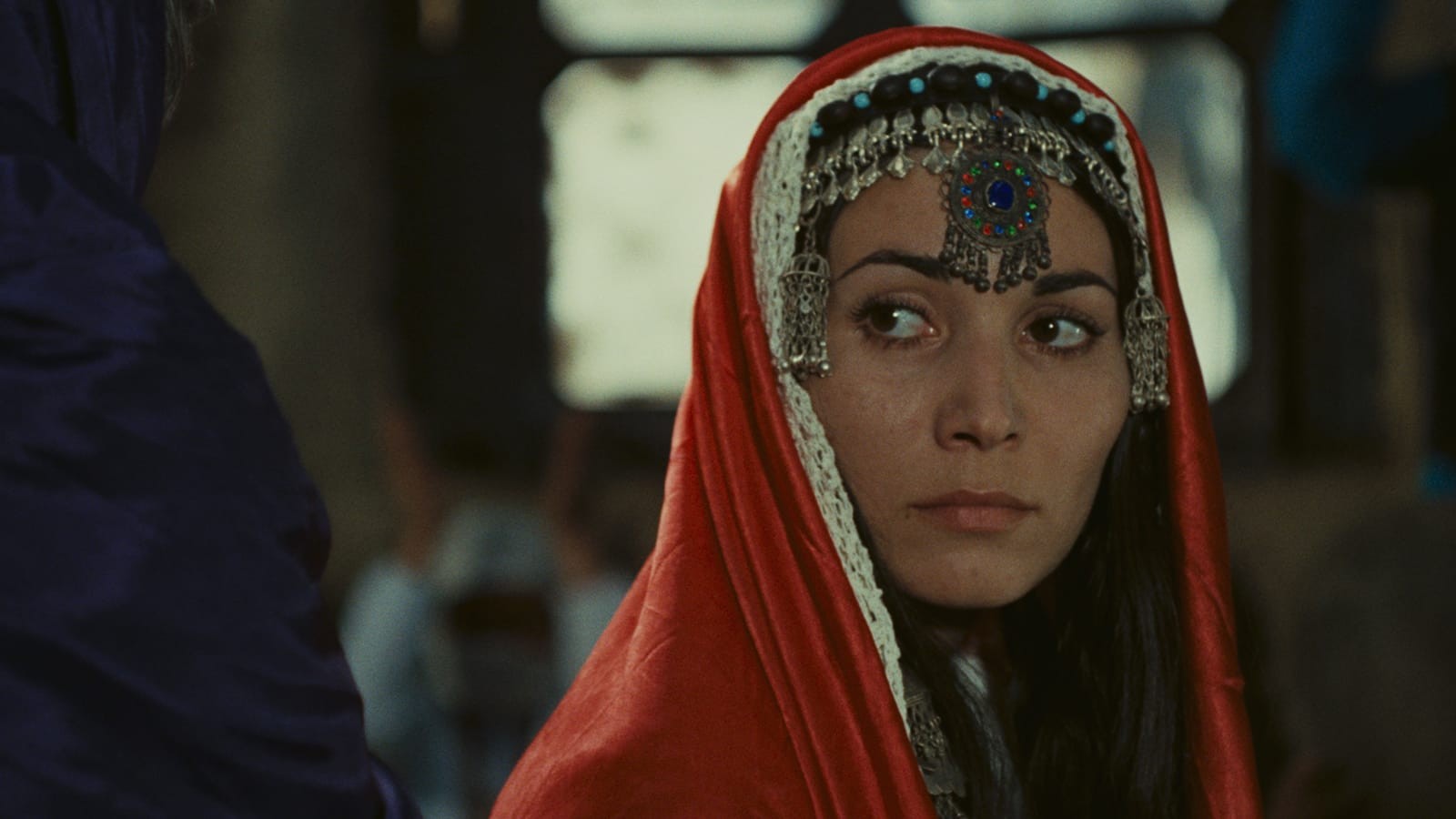
The Stranger and the Fog (1974): Bahram Beyzaie’s Fusion of Ritual and Modernism
Legendary Iranian New Wave filmmaker Bahram Beyzaie passed away recently, but his masterpiece The Stranger and the Fog (Gharibeh va Meh, 1974) endures—helped in no small part by its recent restoration. Visually hypnotic and formally daring, the film doesn’t merely echo international modernist cinema; it also draws deeply from Iran’s rich theatrical traditions. With this archetypal, myth-inflected work, Beyzaie…
-

The Cow (1969) by Dariush Mehrjui: Part 2 — Interpreting the Iranian New Wave Film
This is the second part of a two-part study examining the landmark Iranian New Wave movie The Cow (Gaav, 1969). In the first part, we approached Dariush Mehrjui’s film as a modernist adaptation and compared it with its literary source—the short story by dissident Iranian writer Gholam-Hossein Sa’edi. This second part looks at how The Cow was received…